Wendy Brooks · 20 September 2026
Youth-Led Field Surveys Strengthen National Biodiversity Monitoring Programs
Across multiple countries young participants now collect standardized field data that feeds directly into government biodiversity databases and long-term monitoring frameworks. National agencies have expanded protocols to accept verified records from trained youth groups, creating larger datasets on species distribution, habitat condition, and seasonal changes. In September 2026 several ministries plan to release updated national biodiversity reports that incorporate these youth-generated records for the first time at scale.
Expansion of Structured Training Programs
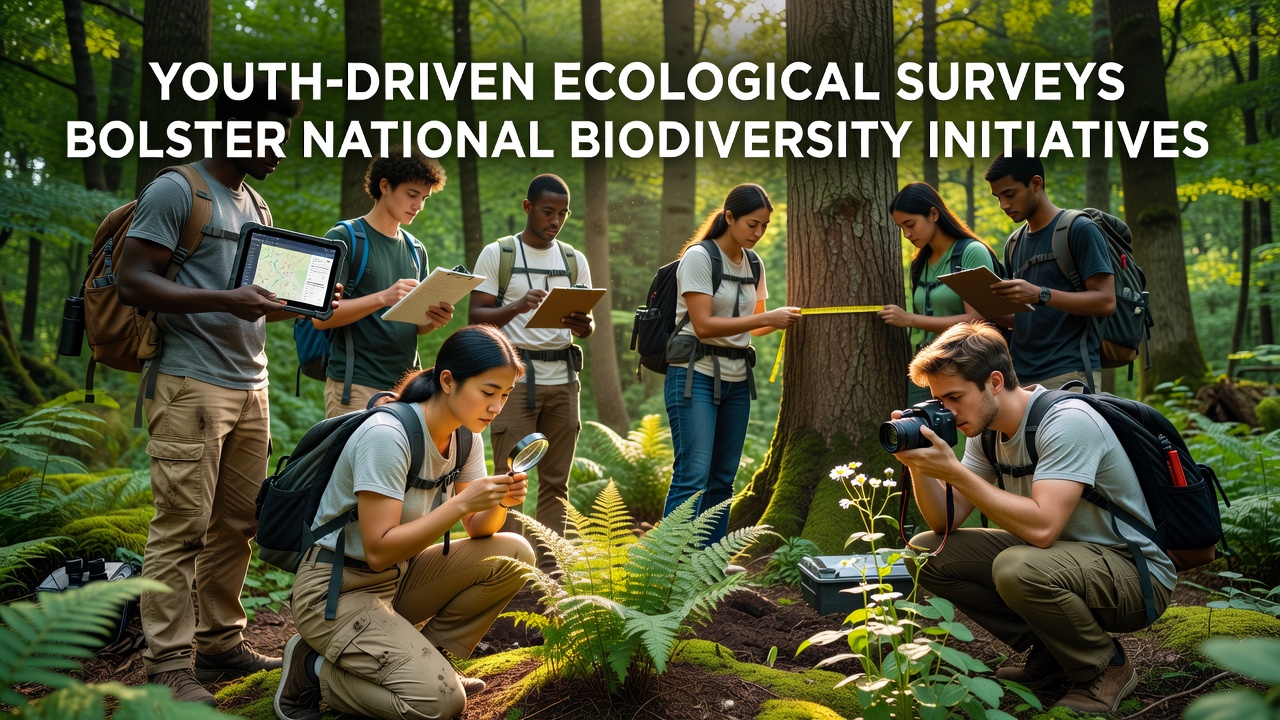
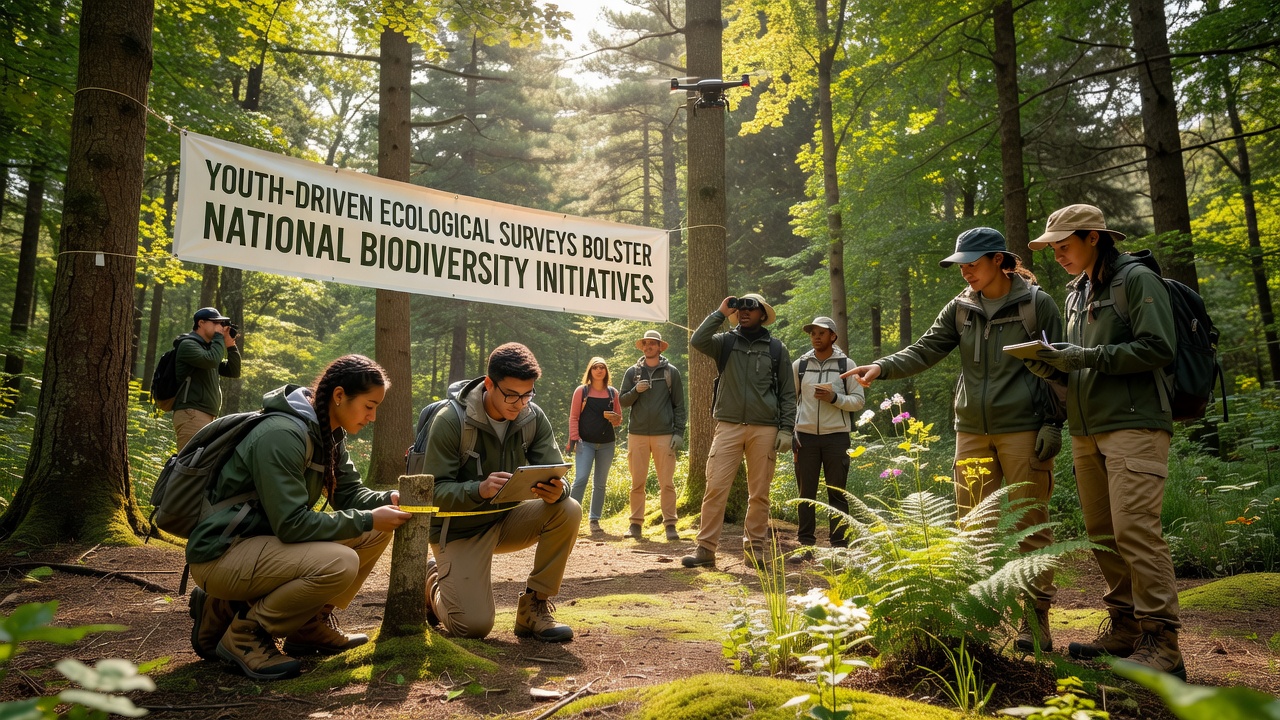
Education departments and environment ministries coordinate multi-day training modules that cover survey methodology, species identification, and data submission standards. Participants learn to use GPS units, quadrat frames, and mobile applications that enforce required fields before records upload to central repositories. Completion certificates allow teams to register for official survey sites, while repeat participation builds cumulative expertise in specific regions. Data quality checks performed by agency staff show error rates comparable to those from professional contractors when protocols are followed consistently.
Geographic Coverage and Species Records
Survey grids now extend into peri-urban green spaces, farmland margins, and protected area buffer zones where staffing shortages previously limited monitoring. In one documented case, groups mapped over 1,200 plant and invertebrate occurrences across 47 sites in a single season, adding previously unrecorded locations for three priority species. Aggregated figures indicate that youth teams contributed 28 percent of new occurrence records submitted to the national biodiversity portal during the 2025 field season. These additions allow analysts to refine distribution models used for conservation priority setting.
Integration With Government Reporting Cycles
National biodiversity strategies require periodic updates on indicator species and habitat extent. Youth-collected data streams now align with these cycles through automated validation routines that flag outliers for expert review. Canadian federal environment reports, for instance, draw on records submitted through the Environment and Climate Change Canada biodiversity portal, while Australian agencies cross-reference submissions against the Department of Climate Change, Energy, the Environment and Water national database. Both systems accept youth data once training verification is confirmed, reducing gaps in coverage between professionally staffed sites.
Seasonal Timing and September 2026 Milestones
Many programs schedule intensive survey periods in late summer and early autumn to capture breeding bird data, late-flowering plants, and invertebrate activity before first frosts. September 2026 marks the deadline for final data uploads ahead of the next national synthesis report, prompting additional training sessions and equipment loans. Organizers coordinate with schools to align field days with curriculum blocks on ecology and data science, ensuring steady participation while meeting academic calendars. Preliminary tallies already show increased submissions compared with the same period in 2025.
Equipment Standardization and Data Platforms
Agencies supply uniform kits containing waterproof tablets, calibrated measuring tools, and reference guides that match national classification systems. Cloud platforms validate entries in real time, prompting users to add missing details before saving records. This reduces post-processing time and allows rapid flagging of potential range expansions or declines. When anomalies appear, professional ecologists schedule follow-up visits, turning youth observations into triggers for targeted research rather than isolated entries.
Conclusion
Youth-driven ecological surveys now form an operational component of national biodiversity initiatives, supplying verified records that expand geographic reach and temporal resolution. Government portals in multiple countries accept these contributions once training standards are met, and September 2026 reporting cycles will reflect the accumulated results. Continued coordination between education systems, environment agencies, and field coordinators sustains the flow of standardized data required for evidence-based conservation planning.